.png)
7 War Effects on a Child’s Ability to Learn
- hearthiveorg

- Jun 6, 2025
- 4 min read
Updated: Jul 30, 2025
War effects are devastating in many ways, but one of the most heartbreaking consequences is how it disrupts a child’s ability to learn. While global headlines often highlight military casualties and economic collapse, less visible yet equally tragic is the erosion of a child’s cognitive development, emotional stability, and academic growth.
Education, a cornerstone for any child’s future, becomes a distant dream in the shadow of conflict zones. Children who endure war not only lose their homes and loved ones but also face an uphill battle in classrooms—if those classrooms even still exist.
1. Destruction of Learning Environments

Education thrives in safety and structure. War devastates this foundation by destroying schools, forcing closures, and converting educational facilities into shelters or military bases. In regions like Gaza, Sudan, and Syria, entire school systems have collapsed. The war effects leave children without safe spaces to learn, study, or play.
With schools destroyed or inaccessible, teachers often flee the country or are unable to work, resulting in severe staff shortages. In the absence of structured support, altruism becomes a rare but vital force—without it, children are left with little to no guidance, dramatically affecting the quality and consistency of their education.
2. Trauma and Its Impact on Brain Development
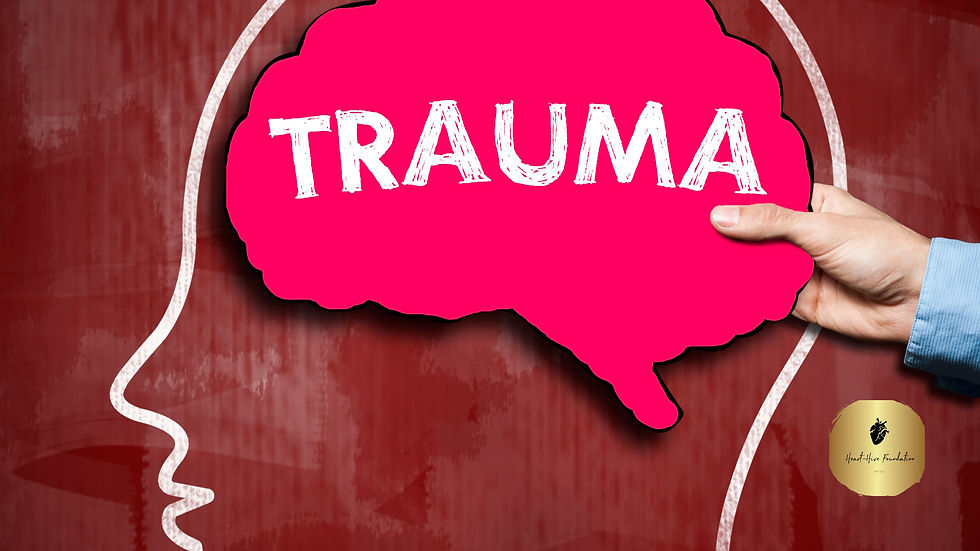
Even when educational access exists, trauma from war poses a hidden but powerful barrier. The psychological war effects on a child's brain are profound. Chronic exposure to violence, grief, and displacement can lead to PTSD, depression, and anxiety—each of which impairs a child's ability to focus, retain information, and regulate behavior.
Scientific studies confirm that trauma alters the brain's structure. The hippocampus, vital for memory and learning, shrinks under prolonged stress. The prefrontal cortex, responsible for decision-making, is weakened. This means that war-affected children may sit in classrooms but remain mentally unavailable for learning—a reality Heart Hive Foundation aims to change through educational support.
3. Interrupted Schooling and Educational Setbacks

Many children living in war zones experience months or even years without school. The longer the war, the wider the chasm on education becomes. According to UNICEF, over 222 million children in conflict areas need urgent academic support.
War effects are especially severe when they occur during critical development stages. Children between the ages of 6 and 12, for instance, may never fully regain lost learning milestones. Some may be forced into child labor or recruitment by armed groups. Others may be married off early, especially girls. The loss of educational opportunity creates a generational ripple effect—keeping families and entire communities trapped in cycles of poverty.
4. Displacement and Inequity in Access

War displaces families, often across borders, turning children into refugees overnight. In these new environments, children face language barriers, unfamiliar curricula, and even discrimination. Many are denied access to school due to lack of legal documentation, overcrowding, or limited government resources.
In refugee camps, makeshift education systems try to fill the void, but conditions are far from ideal. The war effects on displaced children include long-term exclusion from formal schooling, especially for girls. Cultural expectations, safety concerns, and economic hardship all conspire to keep them out of the classroom.
5. Education as a Tool for Healing and Stability

Despite the chaos, education can play a transformative role in recovery. Trauma-informed and safe schooling environments can help children regain a sense of routine and security. Structured education combats the disorientation of war by fostering emotional stability, confidence, and hope.
Several humanitarian organizations are pioneering mobile schools, radio-based learning, and online education for children in conflict zones. These programs are designed not just to teach basic skills but also to promote psychosocial healing. This shows how proactive solutions can offset some of the war effects and lay the foundation for rebuilding lives.
6. The Role of Policy and International Support

Governments and international bodies must view education as essential humanitarian aid—not a secondary priority. Emergency funding must include provisions for learning centers, mental health support, teacher salaries, and educational materials. Global campaigns like Education Cannot Wait and the Safe Schools Declaration are critical, but they require more widespread implementation and enforcement.
War effects also demand long-term policy reforms. Host countries should support the integration of refugee children into their national education systems, offering language and cultural orientation to smooth the transition. Protecting schools from military use should be a non-negotiable international standard.
7. The Long-Term Impact and the Hope Ahead
The war effects on education don’t end when the shooting stops. Post-conflict recovery must prioritize rebuilding not just infrastructure, but also human capital. Without education, a nation loses its future doctors, engineers, and leaders—key pillars for building lasting peace.
However, stories of resilience abound. In post-genocide Rwanda, nationwide investments in education played a key role in healing and rebuilding the nation. In Afghanistan, girls who had been denied education during Taliban rule returned to school with renewed determination. These examples remind us that, with global support and political will, recovery is possible.
Volunteer Today to Counter War Effects: Heart Hive Foundation
The war effects on a child’s ability to learn are not just tragic—they’re preventable. When the world overlooks education during crises, we rob children of their futures and weaken our collective humanity. But when education is protected and promoted, even in times of war, it becomes a beacon of hope.
Children need more than shelter and food during conflict—they need books, teachers, and a safe place to dream. Heart Hive Foundation believes in investing in classrooms as fiercely as we invest in peace treaties. Because when we protect a child’s right to learn, we are not just teaching lessons—we are writing a better future.
Let us never forget: war effects may shatter walls and break lives, but through education, we can rebuild what truly matters—one child, one classroom, one future at a time.


Comments