.png)
International Day of the African Child: Honoring the Voices and Rights of Children in Africa
- hearthiveorg

- Jun 16, 2025
- 4 min read
Updated: Sep 9, 2025
Every year on June 16, the world observes the International Day of the African Child, a solemn yet powerful reminder of the challenges and aspirations of children in Africa. It is a day to reflect on the resilience of African youth, remember their struggles, and renew global efforts to protect their rights, expand opportunities, and amplify their voices.
The day was established by the Organization of African Unity (now the African Union) in 1991, in memory of the 1976 Soweto Uprising in South Africa. During that tragic event, thousands of Black schoolchildren protested the inferior quality of their education and the use of Afrikaans as the medium of instruction. Hundreds were killed, and thousands more were injured or arrested. The bravery of those young protesters became a symbol of the fight for justice, education, and equality for all children in Africa.

Children in Africa: A Symbol of Struggle and Hope
The International Day of the African Child is not only a commemoration—it is a call to action. It highlights the continuing need to address the systemic inequalities that many African children face. These include barriers to education, healthcare, nutrition, safety, and access to clean water and proper shelter. In many regions, children grow up amidst poverty, conflict, displacement, and environmental crises.
Despite international efforts and numerous success stories, millions of children in Africa are still deprived of basic rights. According to UNICEF, around 30 million children in sub-Saharan Africa are out of school. Many are forced into labor, early marriage, or are recruited into armed groups. Still, they persevere—many walk long distances just to reach school, take care of their younger siblings, or work to support their families, all while dreaming of a better tomorrow.

The Right to Education
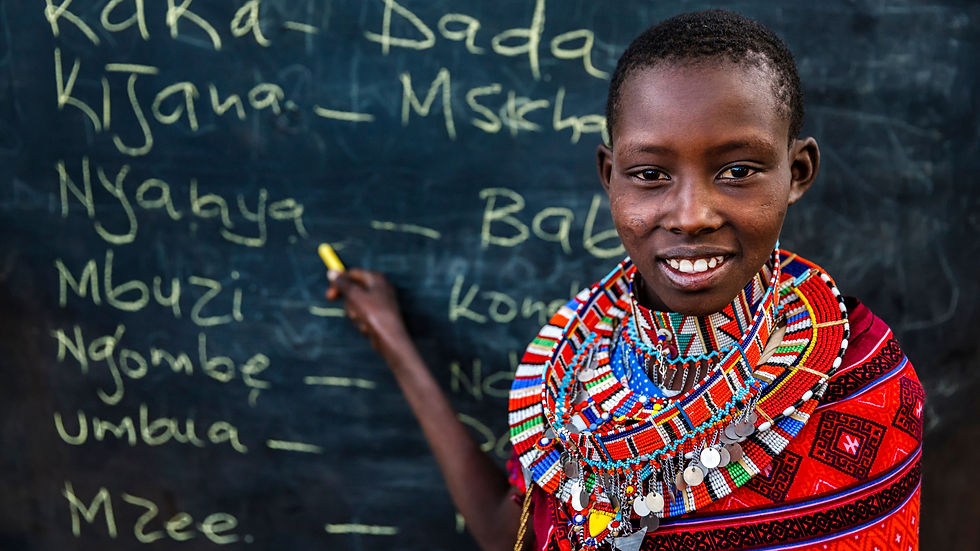
This year’s theme, often chosen by the African Union, usually revolves around the right to a quality education. Education is more than just learning to read or write—it’s the key to breaking the cycle of poverty and unlocking a child’s full potential. For children in Africa, education is a lifeline that leads to empowerment, self-sufficiency, and societal change.
Efforts to improve education must go beyond building schools. They must address teacher training, learning materials, transportation, school safety, and especially access for marginalized groups like girls, disabled children, and those in rural or conflict-affected areas. Technology and digital tools also hold promise for reaching children in the most remote parts of the continent.
By investing in the education of children in Africa, governments and humanitarian organizations can build a future generation of doctors, teachers, leaders, and innovators who can shape the future of their communities and countries.
A Day for Advocacy and Action
On June 16, various events are held across African nations and around the world:
Children’s parliaments and forums where young people express their concerns and propose solutions.
Community programs that raise awareness on children’s rights.
School events, storytelling, performances, and art exhibitions that highlight young voices.
Policy dialogues and commitments from leaders to improve child welfare and protection.
Organizations like us use this day to renew their mission—to ensure that every African child is seen, heard, and valued. Through programs in education, healthcare, clean water access, and child sponsorship, such organizations bring life-changing support to thousands of vulnerable children in Africa.
Challenges Remain—But So Does Hope

The needs are vast. In many areas, especially war-torn regions like Sudan, DR Congo, and parts of the Sahel, children face unimaginable trauma and instability. In some cases, they are orphaned, displaced, or subjected to violence and exploitation. Access to healthcare remains limited, with preventable diseases still claiming many young lives.
Climate change has also added a new layer of difficulty—droughts, floods, and food insecurity have left many families struggling to survive, and children in Africa often bear the brunt of these challenges.
Yet in the midst of these hardships, there are signs of progress. Enrollment in primary schools across the continent has increased significantly over the past two decades. Mobile clinics and outreach programs are reaching more children than ever. And young people themselves are stepping up—forming advocacy groups, using social media to campaign for change, and helping their peers.
Heart Hive Foundation: Donate Today
The International Day of the African Child is not only for those on the continent—it’s a global responsibility. Anyone can play a part in changing a child’s life:
Small actions, when multiplied, can create meaningful, lasting impact. Every child matters, and every effort brings us closer to a world where every African child is safe, educated, and empowered.
The International Day of the African Child is more than a date on the calendar—it is a reminder of the resilience, strength, and dreams of children in Africa. Their stories matter. Their voices deserve to be heard. And their future depends on our collective action. Let us stand in solidarity with them, not just today, but every day, and work together to build a world where no child is left behind.


Comments