.png)
Niger's Paradox: High Birth Rates Amidst Low Girls' Education
- hearthiveorg

- Oct 16, 2025
- 4 min read
Niger stands as a striking contradiction on the global stage. It boasts the highest birth rate in the world, yet struggles with one of the lowest rates of girls' education. This unique situation prompts essential questions regarding the socio-economic and cultural dynamics at play, along with the long-term implications for the nation's future. In this post, we will examine the underlying reasons for these patterns, their interconnectedness, and the routes toward a more equitable future for girls in Niger.

Understanding Niger's Demographics
Niger's youthful population, with a median age of just 15, significantly influences its staggering birth rate of approximately 44 births per 1,000 people. Cultural norms play a major role here. In traditional communities, having many children is often equated with wealth and social status. For instance, families might view children as contributors to household labor or as a means of support in old age, which reinforces the cycle of prioritizing large families.
Compounding this issue is the limited access to family planning resources. Reports indicate that over 20% of women in Niger want to avoid pregnancy but lack access to contraceptive methods. The combined influence of socio-economic barriers, such as poverty and inadequate healthcare, gives women little power over their reproductive choices, perpetuating the high birth rates.
The State of Girls' Education in Niger
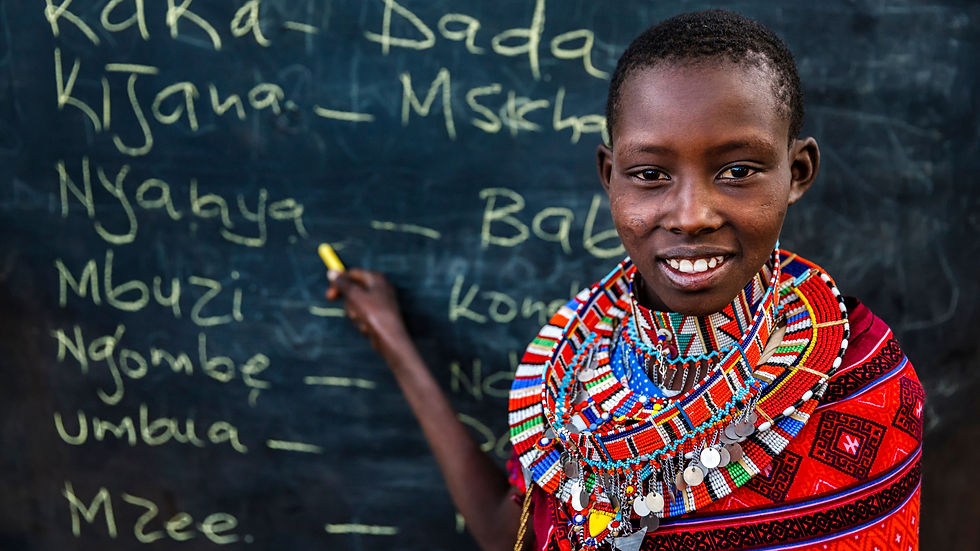
Education is vital for empowerment, yet Niger faces enormous obstacles in educating girls. Currently, only about 30% of girls complete primary school, and for many, this lack of education means they miss out on opportunities to shape their futures.
Cultural norms often place household responsibilities on girls, frequently sidelining their education. Additionally, early marriage is a significant issue in Niger, with many girls married before turning 15. This practice limits their educational prospects and further embeds the cycle of poverty and gender inequality. A staggering 35% of girls in Niger are married before they turn 18, which drastically reduces their chances of finishing school.
Economic factors also play a crucial role in hindering girls' access to education. Families often favor the education of boys, considering it a better investment. The average cost of sending a child to school, including uniforms, supplies, and transportation, can exceed 40% of a family's annual income, making it difficult for many families to afford education for their daughters.

The Interconnection Between Birth Rates and Girls' Education
The ties between high birth rates and low education levels for girls create a cyclic barrier to progress. Lack of education often leads to early marriage and increased birth rates. Educated women, by contrast, tend to marry later, have fewer children, and make better family planning choices. Studies show that women with secondary education have, on average, 2.5 fewer children than women with no education.
When families focus on education, they not only enhance their daughters' futures but also pave the way for healthier family dynamics and smaller family sizes. Conversely, families struggling with many children might find it too burdensome to invest in education for all, thereby trapping them in a cycle of poverty.
Efforts to Improve Girls' Education in Niger
Recognizing the pressing need for change, various organizations are working to enhance girls' education in Niger. Community-based programs have shown success in engaging local leaders and families to discuss the significance of educating girls. For example, recent initiatives have led to an increase in girls' school enrollment by up to 15% in targeted areas, demonstrating the effectiveness of changing cultural perceptions.
Financial support programs also play a crucial role. Initiatives providing scholarships or stipends have helped many families make the necessary investments in their daughters' education. For instance, when financial assistance was offered to families, studies revealed that school attendance increased by approximately 25%, encouraging more girls to stay in school.

The Role of International Organizations
International organizations are essential in fostering girls' education in Niger. They provide funding, expertise, and resources to implement impactful programs addressing girls' unique challenges. Initiatives, such as those led by the Global Partnership for Education and UNICEF, strive to enhance access and improve the quality of education for girls.
Working in partnership with local governments and NGOs, these organizations develop tailored strategies to accommodate community-specific needs. Their culturally sensitive approaches aim to create sustainable positive changes that empower not only girls but their families and communities as well.
The Importance of Advocacy and Policy Change
To tackle the systemic issues affecting girls' education, advocacy for policy change is vital. Policymakers must prioritize education as a fundamental right and allocate sufficient resources to ensure that all children, particularly girls, have access to quality education.
Raising awareness about the countless benefits of educating girls can help drive policy changes. For instance, investments in girls' education could yield a return of nearly $2.50 for every $1 spent, showcasing the long-term economic benefits for society.
The Path Forward: Empowering Girls Through Education
Addressing high birth rates and low girls' education requires a comprehensive strategy. Empowering girls through education is not just a moral obligation; it is a wise investment for Niger's future. Educated girls grow into informed mothers, fostering healthier, better-supported families and communities.
Efforts must focus on creating supportive conditions for girls to thrive in school. This includes challenging harmful cultural norms, providing financial assistance to families, and ensuring that schools are safe and accessible.
Additionally, involving boys and men in discussions about gender equality is crucial. By promoting shared responsibility, communities can work together to build a more equitable society where both girls and boys have equal opportunities to flourish.
Help with Heart Hive
Niger’s situation—where high birth rates coexist with low girls' education presents immense challenges, but also opens avenues for transformative growth. By prioritizing girls' education and addressing the fundamental socio-economic and cultural factors that limit their opportunities, Niger has the potential to create a brighter, more equitable future.
Investing in girls' education is not solely about individual lives; it is about fostering sustainable development and breaking cycles of poverty. As we ponder the complexities of this issue, think about how you can contribute to the global movement for universal education, ensuring that every girl can learn, grow, and thrive.
The future of Niger is dependent on the choices made today. By empowering girls through education, we can establish a more equitable and prosperous society for generations to come.


Comments