.png)
The Importance of Sanitation Projects in Disease Prevention
- hearthiveorg

- Sep 10, 2025
- 3 min read

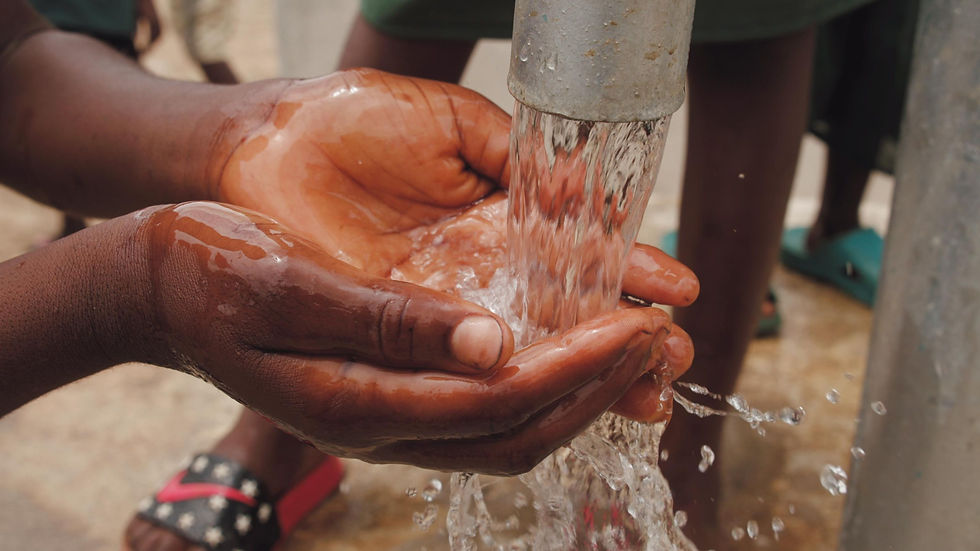
Communities are seeing firsthand how proper sanitation influences overall health. Proper waste disposal, clean water access, and safe living environments are reducing the spread of infections. Families are learning that small practices such as handwashing and safe food handling are becoming cornerstones of healthier lives.
How Poor Conditions Are Spreading Diseases

Crowded living spaces without proper waste systems are creating hotspots for bacteria and viruses. Standing water is becoming breeding grounds for mosquitoes, leading to diseases such as malaria and dengue. Without basic cleanliness, children are facing higher risks of diarrhea, cholera, and other preventable illnesses.
Why Sanitation Projects Are Growing in Importance
Local and global groups are realizing how critical it is to improve basic facilities.
Sanitation projects are not just cleaning up communities, they are preventing thousands of deaths each year.
Communities are gaining awareness that a healthy environment is serving as a shield against outbreaks.
Education as a Key Tool in Prevention

Health educators are guiding families to adopt habits that reduce infections. Schools are introducing hygiene lessons to children, making it a daily routine. Parents are also practicing healthier habits at home, creating a ripple effect across generations.
Clean Water and Safe Storage Solutions
Communities are installing pumps, filters, and wells to improve access to clean water. Families are using safe storage methods to prevent contamination inside their homes. These efforts are drastically lowering waterborne diseases that once caused devastating losses.
Waste Management Systems Are Taking Shape

Neighborhoods are learning how to separate, recycle, and safely dispose of waste. Municipalities are building systems that prevent garbage from piling up in streets. This shift is transforming living conditions and reducing exposure to harmful bacteria.
The Role of Global Partnerships
![Image: Meeting of aid organizations discussing community projects] International organizations are collaborating with local leaders to strengthen resources. Funding and expertise are flowing into communities that are struggling the most. By working together, nations are addressing sanitation gaps that were previously overlooked.
Protecting Children Through Improved Facilities

Children are benefiting greatly from clean school toilets and handwashing stations. Improved facilities are reducing absenteeism caused by illness. Families are seeing healthier children who are more capable of learning and growing strong.
How Climate Change Is Increasing the Need for Action
Extreme weather events are damaging existing infrastructure, leaving communities vulnerable. Floods are contaminating drinking water and spreading harmful waste. In response, projects are adapting to climate pressures, ensuring that preventive measures are staying effective.
The Social and Economic Impact of Healthier Communities

When disease rates are dropping, families are spending less on medical care. Adults are remaining productive, while children are consistently attending school. Healthy communities are also attracting opportunities that improve long-term development.
Empowering Communities Through Local Involvement
Villagers are participating in planning, building, and maintaining facilities. This involvement is giving people ownership of their health and environment. The process is also ensuring that improvements are sustainable and community-driven.
Why Women and Girls Are at the Center of Efforts

Women and girls are often most affected when facilities are lacking. By improving restrooms and safe water access, communities are protecting dignity and health. Girls are attending school more consistently when these basic needs are being met.
Technology and Innovation in Sanitation Projects
Modern tools are making clean facilities more accessible and affordable. Communities are installing solar-powered water purifiers and eco-friendly toilets. These innovations are shaping a future where safe living standards are becoming the norm.
The Role of Organizations in Guiding Change
Nonprofits such as Heart Hive Foundation are continuing to guide communities toward healthier practices. By sharing knowledge and connecting resources, groups are making long-term progress possible. Families are seeing that change is within reach when collective action is ongoing.
Sustaining Efforts for Future Generations
The work is not ending with one project or one generation. Communities are continuing to strengthen habits and systems that protect health. Organizations, including us here at Heart Hive Foundation, are ensuring that knowledge is being passed down for lasting change.
Conclusion: The Ongoing Importance of Sanitation in Disease Prevention
Communities across the world are recognizing the life-saving role of sanitation. Families are continuing to adopt habits and use facilities that safeguard health. By prioritizing clean environments today, societies are ensuring healthier generations tomorrow.


Comments