.png)
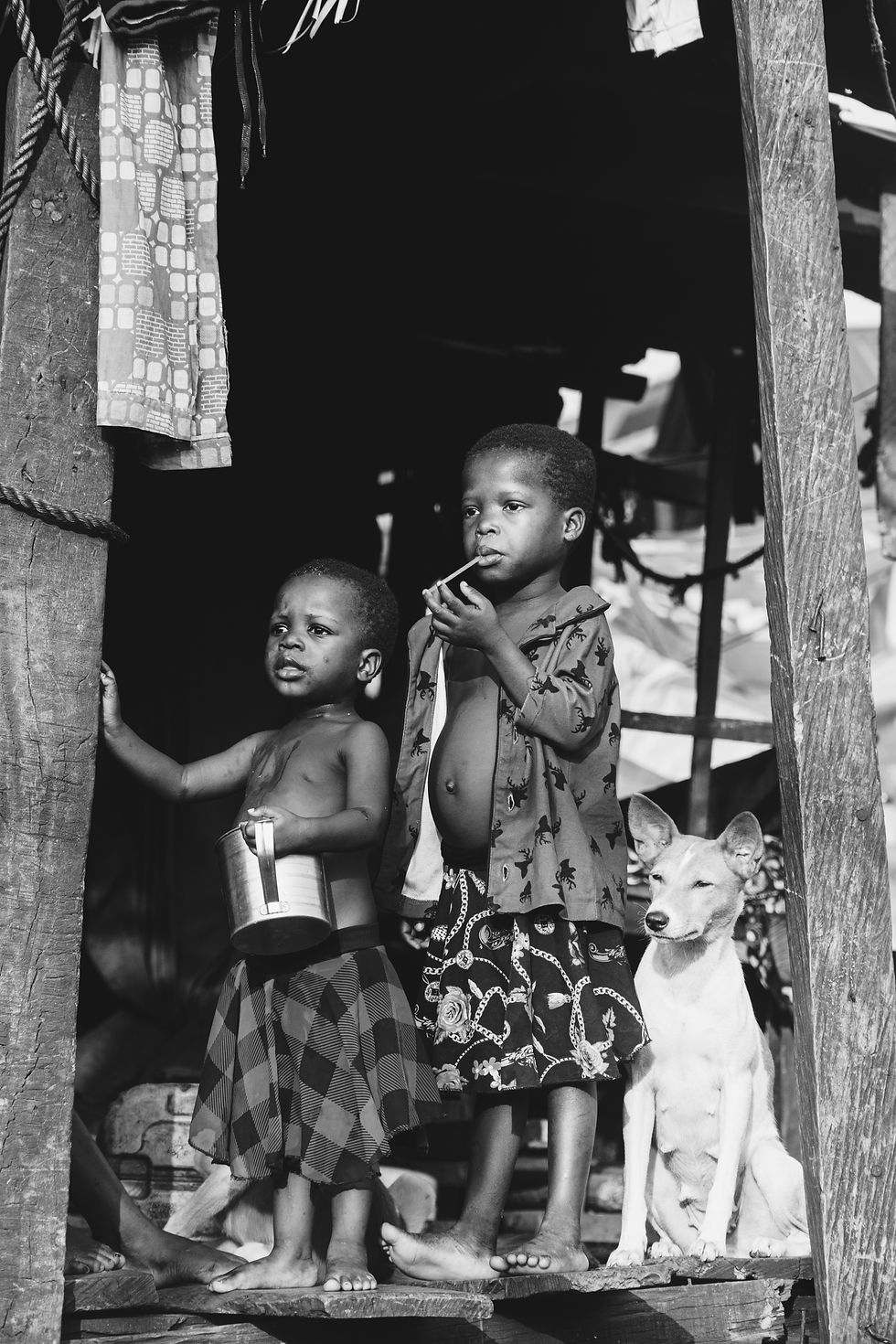
Unseen and Unheard: The Struggles of Children in Africa and Autism
- hearthiveorg

- Apr 11, 2025
- 4 min read
Updated: Jul 30, 2025
In many regions, children in Africa with autism spectrum disorder (ASD) often remain unseen and unheard. Limited awareness, cultural misconceptions, and inadequate resources contribute to delayed diagnoses and minimal support for these children and their families. This article explores the multifaceted challenges faced by children with autism in Africa's underserved communities and highlights the importance of awareness, support, and inclusive initiatives.

Understanding Autism in the African Context
Autism spectrum disorder is a developmental condition characterized by challenges with social interaction, communication, and repetitive behaviors. While global awareness of autism has increased, many African communities still lack understanding of the condition. Cultural beliefs often attribute autism symptoms to supernatural causes, leading to stigma and isolation for affected families.
Children in Africa: Barriers to Diagnosis and Support
Limited Access to Diagnostic Services In many African countries, access to diagnostic services for autism is scarce, particularly in rural areas. The shortage of trained professionals and diagnostic tools means that many children remain undiagnosed or are misdiagnosed with other conditions. Stigma and Cultural Misconceptions Cultural misconceptions about autism contribute to stigma and discrimination. Families may face social exclusion, and children with autism are sometimes hidden away due to shame or fear of community judgment, which infringes on their right to healthcare.
The Role of Awareness and Education
Importance of Autism Awareness Month Autism Awareness Month, observed in April, plays a crucial role in educating communities about autism. Awareness campaigns can challenge misconceptions, promote acceptance, and encourage early intervention. Educational Initiatives Organizations like Autism Speaks and local NGOs work to provide educational resources and training for parents, teachers, and healthcare workers. These initiatives aim to improve understanding of autism and support inclusive practices in schools and communities. You can donate to African charity organizations that are making a difference in these efforts.

Supporting Families and Caregivers
Community-Based Support Programs Community-based programs offer vital support to families of children with autism. These programs provide counseling, therapy, and educational resources, helping families navigate the challenges of raising a child with autism. Importance of Early Intervention Early intervention services, including speech and occupational therapy, can significantly improve outcomes for children with autism. However, access to these services is often limited in underserved communities, impacting many kids in Africa.
Leveraging Technology and Online Resources
Online Fundraising Platforms Online fundraising platforms like GoFundMe and M-Changa enable individuals and organizations to raise money for a cause, including autism support initiatives. These platforms provide a means to gather resources for therapy, education, and awareness campaigns. Digital Tools for Diagnosis and Support Digital tools and mobile applications can aid in the early detection of autism symptoms. Online autism tests and informational resources empower parents and caregivers to seek appropriate support.
Collaborative Efforts and Global Support
Role of Non-Profit Organizations Non-profit organizations play a pivotal role in supporting children with autism in Africa. They provide funding, training, and advocacy, working to bridge the gap in services and support. International Partnerships Collaborations between local organizations and international partners can enhance the reach and effectiveness of autism support programs. These partnerships facilitate knowledge exchange and resource sharing.

How You Can Help: Supporting Autism Care Through Fundraising and Donations
While awareness is essential, real change happens when communities come together to offer tangible support. In Africa's forgotten regions, providing resources for children with autism often depends on the generosity of global supporters to ensure their right to health.
Today, there are many ways you can raise money for a cause that matters to you - especially for vulnerable children living with autism in underserved areas. Online fundraising platforms like GoFundMe, JustGiving, or regional initiatives make it easier than ever to create a donation page or community-driven campaign.
For those looking to contribute within faith-based charity models, organizations like Islamic Relief Fund have expanded their missions to include healthcare and educational programs for children with disabilities, including autism. Donating to these initiatives ensures that vital resources like therapy, special education, and nutritional support can reach the children who need them most.
International non-profits like Autism Speaks also offer global outreach programs and accept autism speaks donation drives during events like Autism Awareness Month. Partnering with well-established organizations guarantees that donations are handled transparently and used effectively.
For grassroots efforts, nonprofit fundraising platforms specifically focused on healthcare and child development are a powerful tool to create lasting impact. Heart Hive Foundation encourages anyone passionate about this cause to get involved - whether by sharing information, donating, or starting a local campaign.
Every effort counts. Together, we can create real pathways for children with autism in Africa to receive the support, respect and care they deserve.
Final Thoughts
Children with autism in Africa's forgotten communities face numerous challenges, from stigma and lack of awareness to limited access to diagnostic and support services. Addressing these issues requires a multifaceted approach involving awareness campaigns, educational initiatives, community support programs, and international collaboration. By working together, we can ensure that children in Africa are no longer unseen and unheard but are recognized, supported, and empowered to reach their full potential.


Comments