.png)
Afghanistan Battles Diarrhea and Other Water-Borne Illnesses After Earthquake
- hearthiveorg

- Oct 22, 2025
- 4 min read
One month after a devastating 6.3-magnitude earthquake shook eastern Afghanistan, thousands of families continue to grapple with its aftermath. Homes lie in ruins, water systems are shattered, and the most vulnerable — the children — are paying the highest price. Over 212,000 children are now at severe risk of deadly disease outbreaks, especially diarrhea, due to the collapse of essential water, sanitation, and hygiene facilities.
The disaster did not only destroy buildings; it dismantled the safety net that once protected communities from disease. Children now live in makeshift shelters or crowded camps where access to clean water is nearly impossible. The lack of proper sanitation has turned an already dire situation into a brewing health crisis. Heart Hive Foundation emphasizes that without urgent global action, the aftermath of this earthquake could claim even more young lives than the disaster itself.
The Collapse of Water and Sanitation Infrastructure

The earthquake destroyed 132 water sources across affected provinces, leaving entire villages without safe drinking water. Families are forced to rely on contaminated streams and hand-dug pits. With most latrines damaged beyond use, four out of five communities are now resorting to open defecation. This breakdown in sanitation creates a direct pathway for the spread of water-borne diseases.
Health workers in the region report an alarming increase in cases of diarrhea, dehydration, and various skin infections. The lack of hygiene essentials like soap and clean water has stripped communities of their ability to protect themselves. Without intervention, the risk of outbreaks will continue to rise, threatening the survival of children who already face hunger and displacement.
At Heart Hive, we believe that access to clean water and sanitation is not a privilege — it is a fundamental right to survival. Every effort to restore safe water sources and rebuild sanitation systems is a step toward protecting that right.
A Brewing Epidemic: Rise of Waterborne Diseases
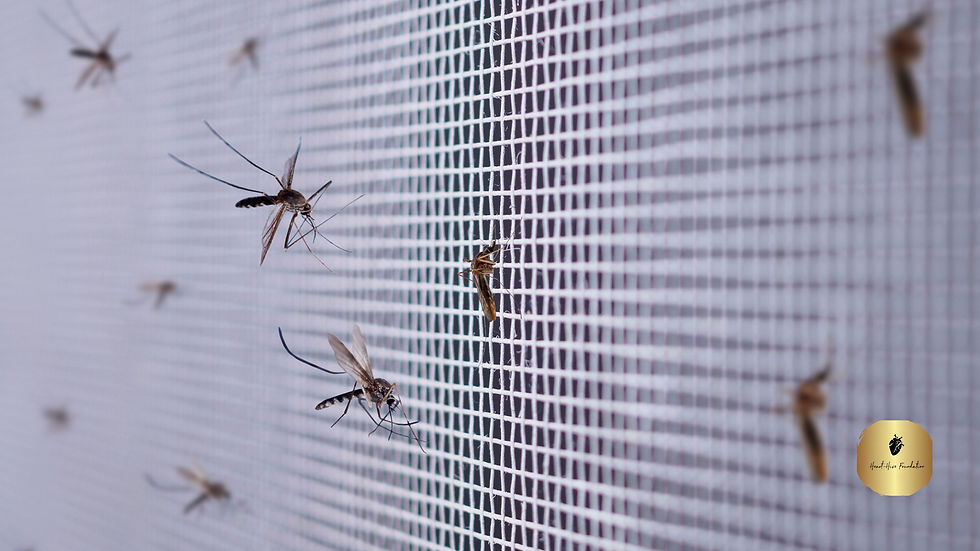
Disease spreads quickly when sanitation fails. In the aftermath of this disaster, waterborne illnesses such as cholera and acute watery diarrhea are thriving. Health centers are overwhelmed with patients showing symptoms of severe dehydration, fever, and intestinal infections. For children whose immune systems are already weakened by malnutrition and stress, these illnesses can be fatal.
The absence of clean water also affects nutrition and hygiene practices. Families cannot safely prepare food or wash their hands, allowing infections to spread more rapidly. Relief teams on the ground are racing against time to provide hygiene kits and emergency water trucking to reduce further transmission. However, resources remain limited, and the need far outpaces the aid available.
This situation mirrors the challenges faced by communities in regions where basic sanitation remains underdeveloped — a reminder of why we must continue to support Africa and other vulnerable populations around the world facing similar threats to health and dignity.
Women and Girls at Risk: The Hidden Protection Crisis

Beyond disease, the destruction of sanitation facilities has also created a silent crisis for women and girls. The absence of private and secure toilets exposes them to risks of gender-based violence and psychological distress. Without safe spaces, many avoid drinking water to minimize the need for bathroom breaks, leading to dehydration and worsening health outcomes.
The emotional and physical toll of this reality cannot be overstated. In temporary shelters and overcrowded camps, privacy is a luxury few can afford. Restoring safe sanitation is not only about health — it is about protecting dignity, safety, and the basic human rights of survivors.
Heart Hive Foundation works closely with humanitarian partners to ensure that women and girls are not left behind in recovery efforts. Their safety and wellbeing are central to rebuilding a healthier, more resilient community.
Life in Displacement: Struggles in Camps and Makeshift Shelters

Tens of thousands of families are now living in overcrowded camps or makeshift shelters near their destroyed villages. With limited access to food, clean water, and medical care, conditions are deteriorating rapidly. For children, each day in these camps brings new dangers — malnutrition, exposure to the cold, and the constant threat of disease.
Doctors in the field warn that if current conditions persist, outbreaks of diarrhea and other infectious diseases could escalate into a full-scale public health emergency. The lack of funding for the water, sanitation, and hygiene (WASH) response only worsens the crisis. The appeal for USD 21.6 million remains only half-funded, leaving a significant gap in life-saving support.
Rebuilding Afghanistan’s health systems requires the collective effort of global citizens and organizations. Those who choose to donate today can make a real difference — bringing clean water, hygiene kits, and education to families fighting to survive.
A Call to Action: Ending Diarrhea and Other Illnesses Today
The earthquake in Afghanistan has laid bare the fragility of essential systems that sustain life. Children who once dreamed of returning to school are now struggling to stay alive amid disease outbreaks and displacement. The spread of diarrhea is not just a medical emergency — it is a humanitarian call that demands compassion, funding, and immediate action.
Through ongoing partnerships and community outreach, Heart Hive is working to deliver aid, rebuild clean water access, and promote hygiene awareness. Our mission goes beyond relief; it’s about restoring dignity and empowering families to reclaim their futures.
When you choose to help Africa now, or any region facing crisis, you are helping create a world where no child’s life is cut short by preventable disease. Together, we can strengthen communities, safeguard health, and protect every child’s right to survival.
Let’s stand united in compassion and commitment. The fight against diarrhea and water-borne illnesses begins with us — and it begins today.


Comments