.png)
Lack of Digital Access: Internet Connectivity Gaps Threaten Education for All
- hearthiveorg

- Oct 27, 2025
- 4 min read
In a world increasingly defined by technology, the ability to connect to the internet has become a basic necessity—essential for learning, livelihood, and communication. Yet, millions around the globe remain cut off from these opportunities. This persistent digital divide undermines global efforts toward education for all, hindering social and economic progress. For organizations like Heart Hive Foundation, bridging this gap is not just about technology—it’s about empowering people and safeguarding their future.
The Digital Divide in Education

Access to quality education depends heavily on connectivity. When schools were forced to close during global crises like the COVID-19 pandemic, students with stable internet access continued learning online. But for millions of children in remote or impoverished communities, the story was starkly different. They were excluded, not due to a lack of will or intelligence, but because of poor or nonexistent connectivity.
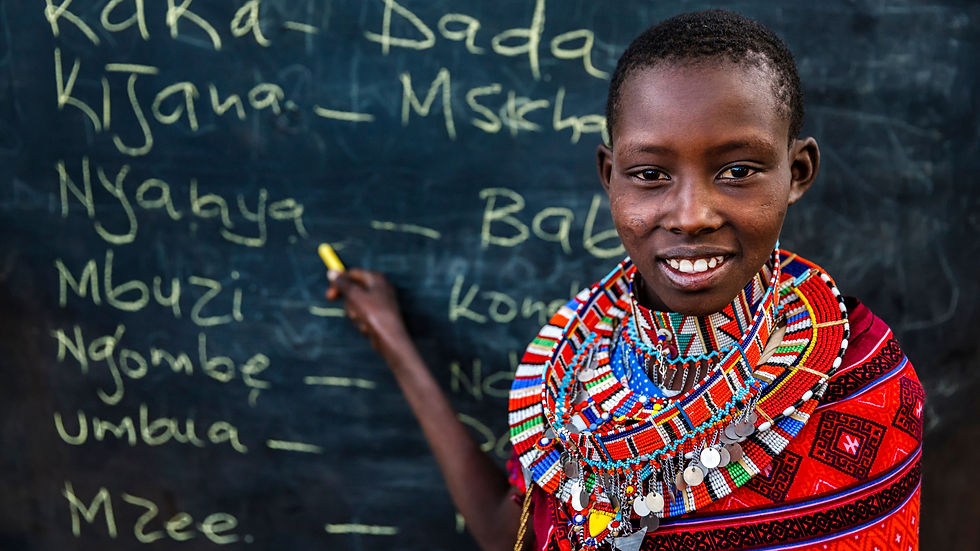
In Sub-Saharan Africa, for instance, less than 30% of schools have access to reliable internet. This means that millions of students—especially those from rural and low-income areas—are being left behind in the digital revolution. The lack of digital access doesn’t just hinder academic progress; it deepens inequality and limits the reach of global initiatives for education for all.
Many of these underprivileged children rely on community centers or mobile education units for occasional internet access. Such short-term fixes can’t replace the consistency and depth of a connected education system. To ensure equitable learning, communities and sponsors must unite to provide the infrastructure and resources students need to thrive.
Barriers to Remote Employment
The digital divide also restricts access to remote work, one of the fastest-growing opportunities in today’s global economy. From virtual assistants to freelance designers, millions of people could earn sustainable incomes online—if they only had the connectivity and digital skills.
Unstable or nonexistent internet infrastructure prevents workers in developing regions from joining this digital workforce. Women, young adults, and rural communities are the most affected, further widening the gap between the connected and the excluded. For many, the inability to participate in remote employment isn’t just a technical issue—it’s a matter of the right to survival.
This is why initiatives like those championed by Heart Hive are crucial. By supporting digital literacy programs and affordable connectivity solutions, sponsors and donors can empower families to build stable, self-reliant futures.
Gender and Accessibility Gaps
Digital inequality is not gender-neutral. In many developing nations, women are less likely to own a smartphone, access the internet, or possess digital literacy skills. This exclusion exacerbates economic dependency and limits women’s participation in the labor market and decision-making spaces.
Bridging this gendered gap is essential to achieving true education for all. When women and girls have equal digital access, communities flourish. They gain knowledge, improve health outcomes, and contribute to household income, creating ripple effects that transform entire societies.
Programs that provide digital training and internet access for girls can drastically shift these dynamics. For donors and volunteers, investing in these initiatives is an investment in equality, sustainability, and social progress.
Infrastructure and Affordability Challenges

High costs, poor infrastructure, and limited service coverage remain the biggest obstacles to universal connectivity. In rural Africa, broadband costs can consume up to 20% of an average household’s monthly income—making access unattainable for most families.
To bridge this digital divide, governments and nonprofits must collaborate to expand affordable broadband infrastructure, invest in rural connectivity, and strengthen public-private partnerships. However, such large-scale efforts depend heavily on international cooperation and local community engagement.
Organizations like us here at Heart Hive Foundation work tirelessly to close these gaps by channeling resources to areas most in need. Through the combined efforts of donors, volunteers, and advocates, we can build systems that allow everyone to learn, work, and connect—no matter where they live. To be part of this mission, donate today and help us extend the reach of opportunity to those still waiting for a fair chance.
Building Inclusive Digital Futures
Creating inclusive digital systems goes beyond providing internet access—it involves ensuring people have the skills and tools to use technology effectively. Digital literacy programs, access to affordable devices, and community-led initiatives can collectively transform disconnected regions into thriving, connected societies.
For instance, rural communities that once struggled with isolation are now using connectivity to expand agriculture markets, improve healthcare coordination, and access global knowledge. These changes are a testament to the power of inclusive digital development.
To support Africa and other underserved regions, investment in sustainable technology infrastructure is critical. Sponsors and partners can help fund projects that bring lasting change—turning digital deserts into hubs of innovation and opportunity.
At Heart Hive Foundation, we believe that the internet is not a luxury but a pathway to dignity, empowerment, and growth. Through partnerships, advocacy, and direct action, we strive to ensure that no child, family, or community is left disconnected. To help Africa now, join our mission to make education for all a reality—because access to knowledge is the key to unlocking human potential and creating a more equitable world for everyone.


Comments